Missed Call Text Back for Roofers: Save Every Lead
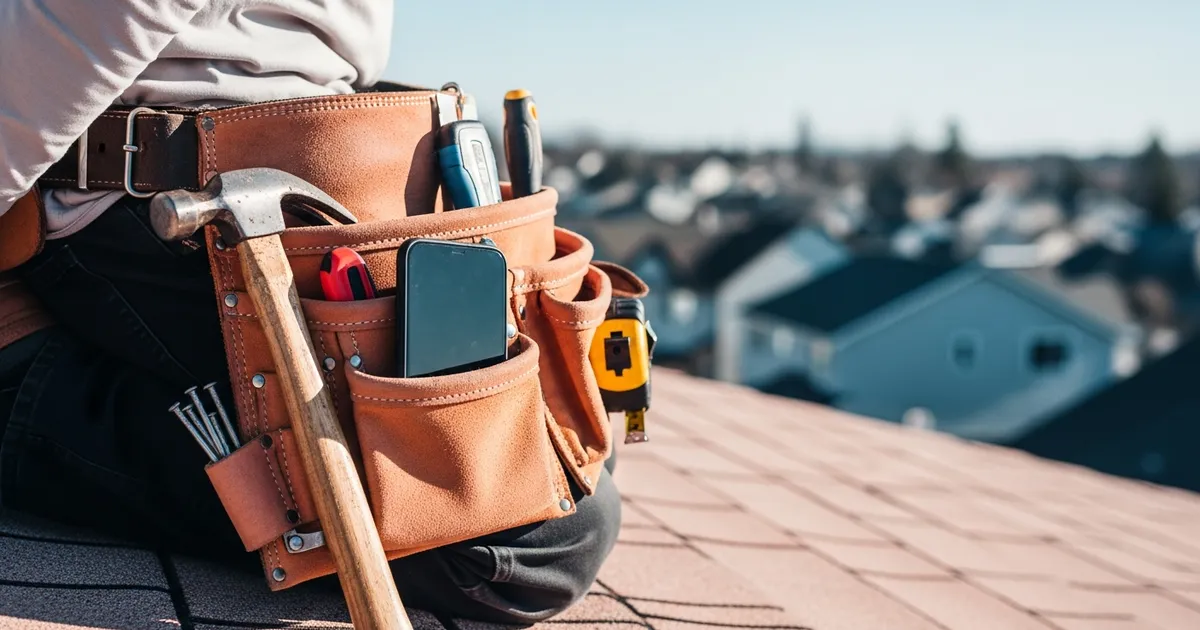
It’s 10:30 on a Tuesday and you’re on a roof in Bellevue, mid-tear-off, with a nail gun in one hand. Your phone buzzes in your truck two stories down. A homeowner in Renton just spotted a stain spreading across her ceiling, found you on Google, and called. You can’t climb down, peel off your gloves, and answer — so it rings out and drops to voicemail. She doesn’t leave a message. She taps “back” and calls the next roofer on the list. That’s the gap that missed call text back for roofers is built to close, and for a small crew it’s the difference between a booked inspection and a competitor’s truck in her driveway by Thursday.
This post covers why missed calls quietly drain revenue, what a text-back actually does in the seconds after a dropped call, and how to set up a system that runs whether you’re on a ladder, on another job, or asleep.
Why a Missed Call Is a Lost Job, Not a Callback
Owners tend to assume a missed call is fine because they’ll call back at lunch. The numbers say otherwise. A common industry estimate puts roughly 30–40% of inbound calls to home-service businesses going unanswered during busy stretches — exactly when you’re producing work and can’t reach the phone.
The problem isn’t only the missed call. It’s what the caller does next. A homeowner with an active leak isn’t shopping leisurely. She’s anxious, she has water coming in, and she’s calling down a list. Harvard Business Review’s study The Short Life of Online Sales Leads found that companies contacting a lead within an hour were far more likely to qualify it than those who waited even 60 minutes. For an emergency roof call, the window is tighter still — often minutes.
So the callback at lunch lands on a homeowner who already scheduled someone else. You did the marketing, paid for the Google placement, earned the ring — and handed the job to a competitor because you were doing your actual job at the time the phone rang. Multiply one lost call a day by an average roofing ticket and the leak in your revenue is bigger than the one on her ceiling.
What Missed Call Text Back for Roofers Actually Does
The fix is simple and it doesn’t require you to answer anything. The moment a call to your business goes unanswered, InstaNexus sends an automatic text back to that caller — within seconds, not minutes. The homeowner who just got your voicemail gets a message before she’s even pulled up the next roofer.
The text isn’t a generic “we missed you.” It opens a conversation: a friendly note with your company name, an acknowledgment that you’re on a job, and a direct question — what’s going on with the roof, and when works for a look? She replies by text, which most people would rather do than make a second call. From there the thread can capture her address and the problem, and hand off a booked time or a callback slot, so the lead stays warm and parked on your side instead of drifting to the next listing.
For you, nothing changes on the roof. You don’t break stride, you don’t lose the rhythm of the tear-off, and you don’t have a stack of “call back” sticky notes by the end of the day. The conversation already started without you. When you climb down and check your phone, you’re not chasing a cold voicemail — you’re reading a homeowner who’s already told you her address and that she’s free Thursday afternoon.
Why a Text Beats a Voicemail Every Time
Voicemail is where leads go to die. Most people under 50 don’t listen to voicemails promptly, and almost nobody leaves one for a business they’ve never used. A text gets seen. Gartner reports SMS open rates above 90%, and most texts are read within minutes of arriving — a reach a voicemail can’t touch.
There’s a second reason text wins for roofing specifically: it matches how a stressed homeowner wants to communicate. She’s standing under a drip with a bucket. She doesn’t want to navigate a phone tree or re-explain her problem to a callback an hour later. A text lets her fire off “water coming through the kitchen ceiling, can someone come today?” in ten seconds, attach a photo, and get a real answer. That’s a lower-friction path to a booked job than any phone tag.
The text-back also signals something a voicemail never can: that you’re responsive and run a real operation. A homeowner choosing between three roofers reads an instant, professional reply as proof you’ll show up on time, too. In a trust business, the speed of the first reply is the first impression.
Where Text-Back Fits in Your Lead-Capture Setup
Missed call text back is one piece of catching every lead, not the whole thing. It handles the call you couldn’t answer — the cross-trade rundown of how text-back works covers the consent rules and the calls it can’t save. Pair it with a few other pieces and the gaps close entirely.
Some calls you’d rather not hand to voicemail at all — after-hours emergencies, or a stretch where the whole crew is up on a steep slope. An AI receptionist that answers every call picks up live, talks the homeowner through the basics, and books the inspection while you keep working, so the text-back becomes your safety net rather than your front line. For the difference between the two and when each makes sense, see how an AI answering service handles roofing calls.
Calls aren’t your only inbound channel either. When a homeowner fills out the quote form on your site at 9 p.m., an instant lead response fires a text and email back within a minute — the same speed advantage applied to web leads. The deeper case for that is in instant lead response for roofers. And the leads that went cold months ago — the “we’ll think about it” homeowners — don’t have to stay lost. A reactivation campaign texts that old list with a seasonal nudge, the same approach laid out in roofing lead reactivation.
Together these turn your phone, your website, and your old contact list into one system that never lets a roofing lead fall through. See how it all fits for a roofing company specifically.
Setting It Up Without Adding Work
The whole point is that text-back runs without you touching it. Once it’s connected to your business line, there’s nothing to remember and nothing for a tech to forget in the field. A missed call triggers the text automatically; replies land in one place you can check between jobs.
A few things worth getting right when you set it up. Keep the first message short and human — your name, a quick acknowledgment, one clear question. Make sure replies route somewhere you’ll actually see them, not a buried inbox. And decide up front what counts as a missed call worth texting (a 9 p.m. call deserves a different tone than one during business hours). Get those three right and the system earns its keep on the first leak call you would otherwise have lost.
Frequently asked
Q: What is missed call text back for roofers? A: It’s an automatic text message sent to anyone whose call to your roofing business goes unanswered. Within seconds of the missed call, the caller gets a personalized message that opens a conversation — acknowledging you’re on a job and asking how they can help. It keeps the lead warm so they don’t immediately call a competitor.
Q: How fast does the text go out after a missed call? A: Within seconds. The speed is the entire point — the text needs to reach the homeowner before they dial the next roofer on their search results. A reply that arrives minutes later, or a callback at lunch, usually lands after they’ve already booked someone else.
Q: Will the homeowner know it’s automated? A: The message reads like a person wrote it — your company name, a natural acknowledgment, and a real question. Most homeowners just see a fast, professional reply and start texting back. What matters to them is that someone responded quickly, which a missed call alone never does.
Q: Do I still need someone to answer the phone? A: Text-back is a safety net for calls you can’t take, not a replacement for answering when you can. For the calls you’d rather never lose to voicemail — after-hours emergencies especially — pair it with an AI receptionist that picks up live and books the inspection while you keep working.
Q: Does it work for after-hours and weekend calls? A: Yes. Those are often the calls it saves most. A homeowner who calls at 8 p.m. on a Saturday expects voicemail and a Monday callback. An instant text instead — even just “we got your message, what’s going on with the roof?” — puts you ahead of every competitor who let it ring out.
Stop Handing Your Missed Calls to the Competition
Every call that drops to voicemail is a job you paid to earn and then gave away. A text-back closes that gap in seconds, whether you’re on a roof, on another job, or off the clock — and keeps the lead on your side long enough to book it.